





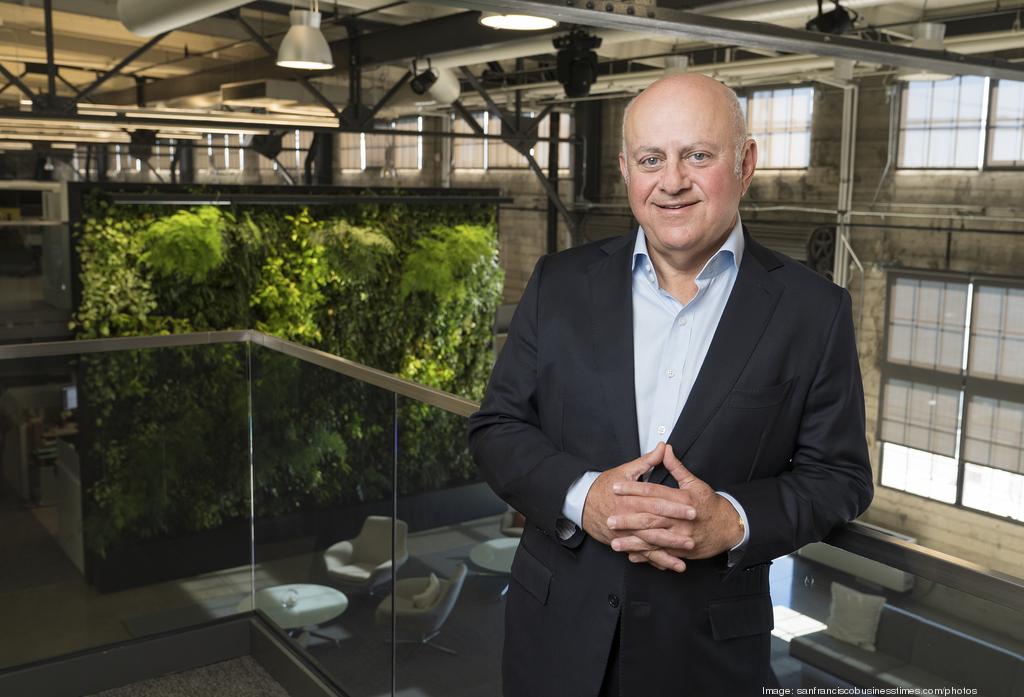
SAN FRANCISCO – In the upper echelons of global real estate, there are developers, and then there are architects of commerce. Hamid Moghadam, the mind behind the behemoth known as Prologis, belongs firmly in the latter category. For over four decades, Moghadam has operated with a rhythmic precision that few in the industry can match, guided by a peculiar yet powerful internal clock: the 14-year cycle.
The story of Moghadam’s empire is not one of sudden luck, but of a calculated, long-lens vision that has reshaped how the world moves goods. In 1983, he co-founded AMB Property Corporation, focusing on the unglamorous world of industrial parks and shopping centers. Exactly fourteen years later, he navigated the company through its public offering. Another fourteen years after that, in 2011, he executed the merger of the century, joining forces with his largest rival to create Prologis. Today, that entity stands as the largest industrial real estate company on the planet, an $8.2 billion revenue giant that controls 1.3 billion square feet of the world’s most strategic warehouse space.
Now, as the year 2026 reaches its midpoint, another 14-year cycle is drawing to its inevitable conclusion. Moghadam has signaled that it is time for the ultimate handoff.
The Strategy of the Step-Back
Succession at the billion-dollar level is often a messy affair, fraught with ego and market anxiety. However, Moghadam is treating his transition from CEO to Executive Chairman with the same logistical mastery he applies to a last-mile delivery hub. By passing the reins to President Dan Letter, Moghadam is choosing institutional longevity over personal permanence.
His philosophy is refreshingly pragmatic: don’t wait for the engine to fail before changing the oil. In recent discussions regarding the transition, Moghadam has been vocal about the necessity of trust. He isn’t retiring; he is pivoting to a position where he can oversee the “grand strategy” while allowing fresh leadership to tackle the day-to-day volatility of a post-pandemic economy. It is a lesson in power dynamics that many founders struggle to learn—the art of being present without being an obstacle.
Betting on Chaos
While most investors fear disruption, Moghadam has spent his career monetizing it. The recent turbulence in global trade, far from being a threat, has acted as a tailwind for Prologis. In Moghadam’s worldview, as supply chains become more complex and companies look to “de-risk” by moving inventory closer to the consumer (nearshoring), the demand for high-end logistics space only intensifies.
Whether it is a massive distribution center outside of Tokyo or a port-adjacent facility in Europe, Prologis has positioned itself as the indispensable backbone of modern consumption. Moghadam’s genius was realizing, decades before Amazon became a household name, that the most valuable real estate in the world wouldn’t be the retail storefront, but the warehouse that feeds it. He exited the retail sector years before the brick-and-mortar decline began, doubling down on the “industrial” label when it was still considered the “boring” sibling of the real estate world.
A Legacy Beyond the Concrete
As he prepares to shift his focus, Moghadam’s imprint on global logistics remains indelible. He has built a brand that is synonymous with scale, yet driven by the agility of a startup. Under his leadership, Prologis became more than a landlord; it became a data-driven partner to the world’s largest corporations, utilizing technology and strategic geography to dominate the “last mile.”
For the readers of Millionaire Prism, Moghadam’s exit from the CEO role offers a profound insight into the millionaire mindset: true wealth is built on structural trends, but true legacy is built on people. By betting on his successor and the strength of the team he has cultivated, Moghadam is ensuring that the 14-year cycles of Prologis will continue long after he has left the corner office.
The man who sees the world through a long lens is now looking toward a new horizon—one where he remains the Executive Chairman of a legacy he built, one decade-plus cycle at a time.